
Unified Endpoint Management
Strengthen IT and protect endpoints. Manage and protect your work devices across Windows, macOS, iOS and Android platforms, all from one place.
Get cloud-based endpoint management

Unify device management and security
Manage, update and protect desktops, laptops, servers, phones, tablets and rugged devices on one platform.
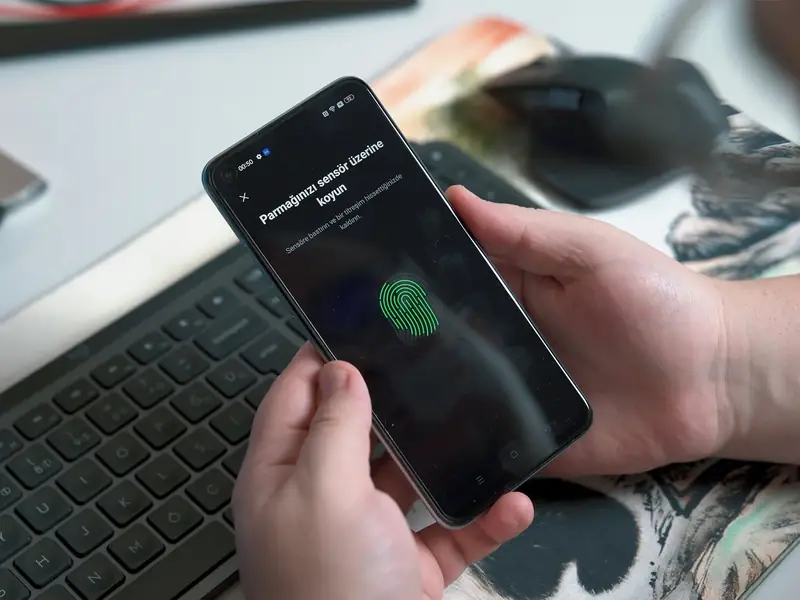
Enforce conditional access for endpoints
Evaluate endpoint health before data is shared: the device's management and compliance state is passed to your identity provider and app access depends on it.

Automate endpoint operations
Reduce support tickets: when a device breaks a compliance rule, escalating actions such as a user notification, an admin email and blocking a profile or app run on schedule by themselves.

Optimise mobile application management
Safeguard data on managed and bring-your-own devices; the Android work profile and Apple User Enrolment keep company data apart from personal data.
Example scenarios

A company handing a new hire a device straight from the box
The device enrols at the first setup screen through automatic enrolment. The new hire installs the apps they need from the company catalog.

An organisation allowing staff to use their own phones
Android work profile and Apple User Enrolment keep company data apart from personal data. App access depends on the device’s compliance state.

An IT team locking a lost laptop
Lock and locate actions are sent from the console. Disk encryption is on, so the recovery key is kept in the console.
Explore Unified Endpoint Management features
Remote actions
Send actions such as lock, change passcode, restart, find device and remote assistance from the console to the device.
Enterprise app management
Deploy store apps and in-house apps in APK, IPA, DMG/PKG, MSI and EXE formats, and let users install them from the app catalogue.
Operating system updates
Roll out updates and track which devices are current; on supervised iOS devices, hold back a new release for a set period.
Disk encryption
Turn on built-in disk encryption on Windows with a profile and keep recovery keys in the console; enforce disk encryption on macOS.
Automatic device enrolment
With Apple automated device enrolment, Android zero-touch enrolment and QR codes, devices come under management at the first set-up screen.
Inventory and reports
Filter devices by last seen and compliance state, export device, user and app reports as XLSX or CSV, and subscribe to scheduled report emails.
Embedded security
Lost and stolen device protection
A lost device can be locked, put into lost mode or have only its company data wiped.
Wipe protection
Wipe commands that cross a threshold within a short time are held, so accidental mass wipes are stopped before they reach devices.
Role-based access and event logs
Limited admin roles such as help desk can be defined; console events are logged and can be forwarded to your security event management system.
Choose flexible options
Pricing is monthly, per device under management.

Learn more to get started
Enterprise IT
Discover solutions for IT teams moving business applications to the cloud.
Managed Support
Explore managed support options for continuous monitoring of your platforms and incident response.
Partners
Explore the partner model for offering cloud services under your own brand.